
| By James Liu | Lux Education Partners | 26 September 2026 |
SHMS stands out for hospitality, events and design; César Ritz for business specialisations; HIM for three internships; Culinary Arts Academy for intensive culinary training. LEP works directly with all four. My recommendation starts with the student’s ambitions and the family’s budget.
The differences at a glance
| School | Distinctive strengths | Bachelor’s route | Best suited to |
|---|---|---|---|
| Swiss Hotel Management School — SHMS | Two palace campuses; hospitality, events and design; QS 2026 hospitality and leisure subject rank 4 | Around 3 years, 2 paid internships | Hotel operations, events and hospitality design |
| César Ritz Colleges Switzerland — CRCS | Swiss institutional accreditation; six business specialisations and a separate applied AI bachelor’s | 4 years, 2 internships | Business leadership, finance, analysis and entrepreneurship |
| HIM Business School | Three internships; the lowest undergraduate budget of these four; QS 2026 same subject rank 8 | 3 years, 3 paid internships | Business students who want substantial workplace experience |
| Culinary Arts Academy Switzerland — CAA | 1,100 kitchen hours; culinary arts or pastry, baking and chocolate | 3 years, 2 paid internships | Ambitious cooks, pastry specialists and future food entrepreneurs |
SHMS: a clear hospitality focus

I have visited SHMS. Its appeal goes beyond the setting: hospitality management develops operational and revenue skills, event management develops planning and delivery, and design management connects space and aesthetics with a functioning hospitality business. Students completing the relevant course receive SHMS and University of Derby bachelor’s degrees. Postgraduate options cover hospitality business, luxury brand management, international hospitality management and a Global MBA.
César Ritz: a deeper business direction

César Ritz Colleges Switzerland offers business specialisations in leadership, marketing, finance, business analytics, digital strategy and entrepreneurship. A separate applied AI bachelor’s is scheduled to start in October 2027. Its four-year bachelor’s includes two internships; the 15-month MSc in Leadership offers hospitality and tourism, finance and wealth management, or luxury brand management pathways. The institution holds Swiss federal institutional accreditation.
I would discuss this school particularly with students interested in running a business, entrepreneurship or a family company who are willing to engage seriously with finance and data.
HIM: business with three internships
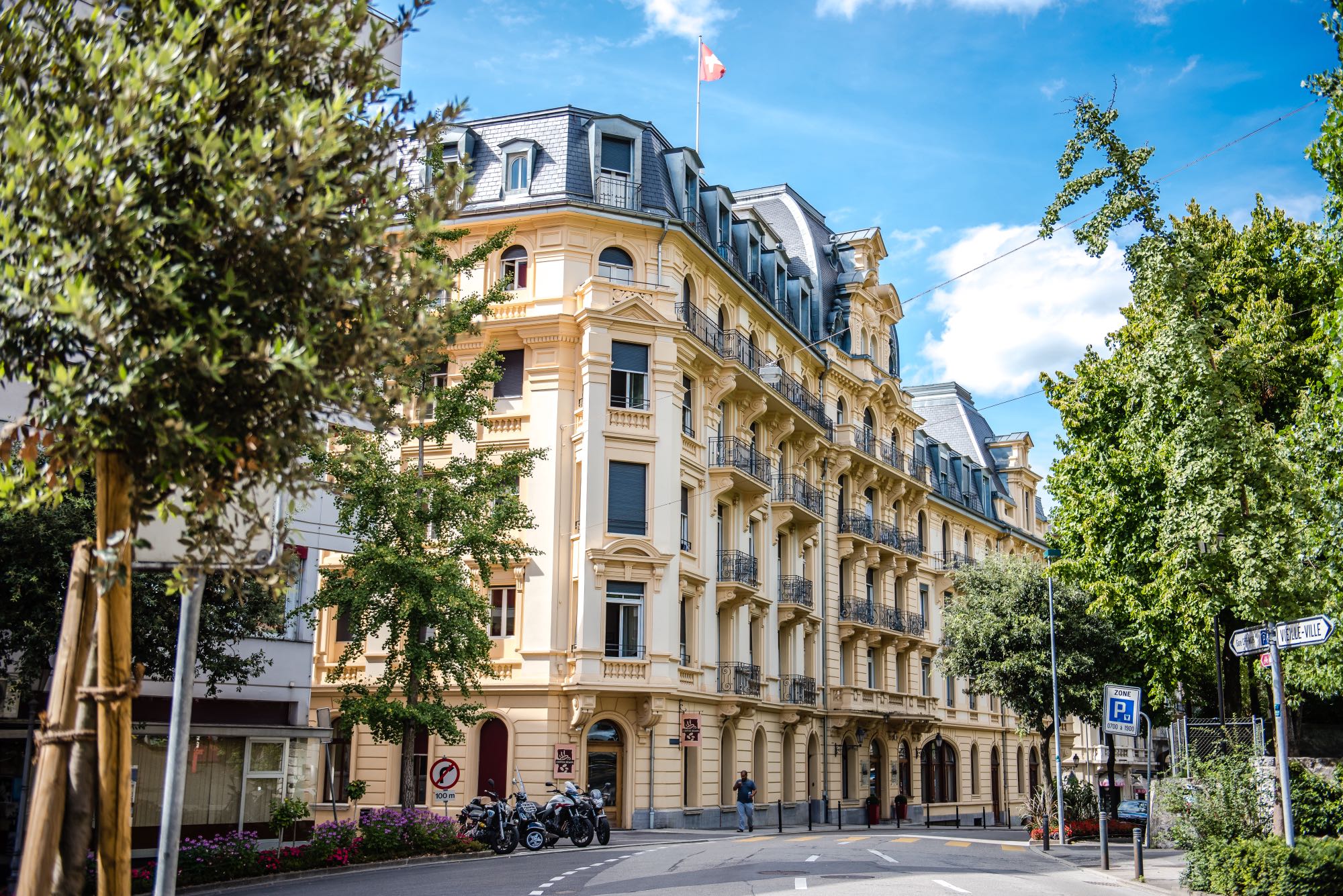
HIM Business School, formerly Hotel Institute Montreux, offers finance, marketing, management and hospitality management. Its BBA is awarded by Northwood University in the United States. I have also visited HIM: the combination of three internships and a comparatively lower undergraduate budget makes it worth considering for students who want to discover their direction through work. Its applied AI and customer experience master’s combines online study with periods in Macau and Switzerland.
CAA: for students pursuing culinary excellence
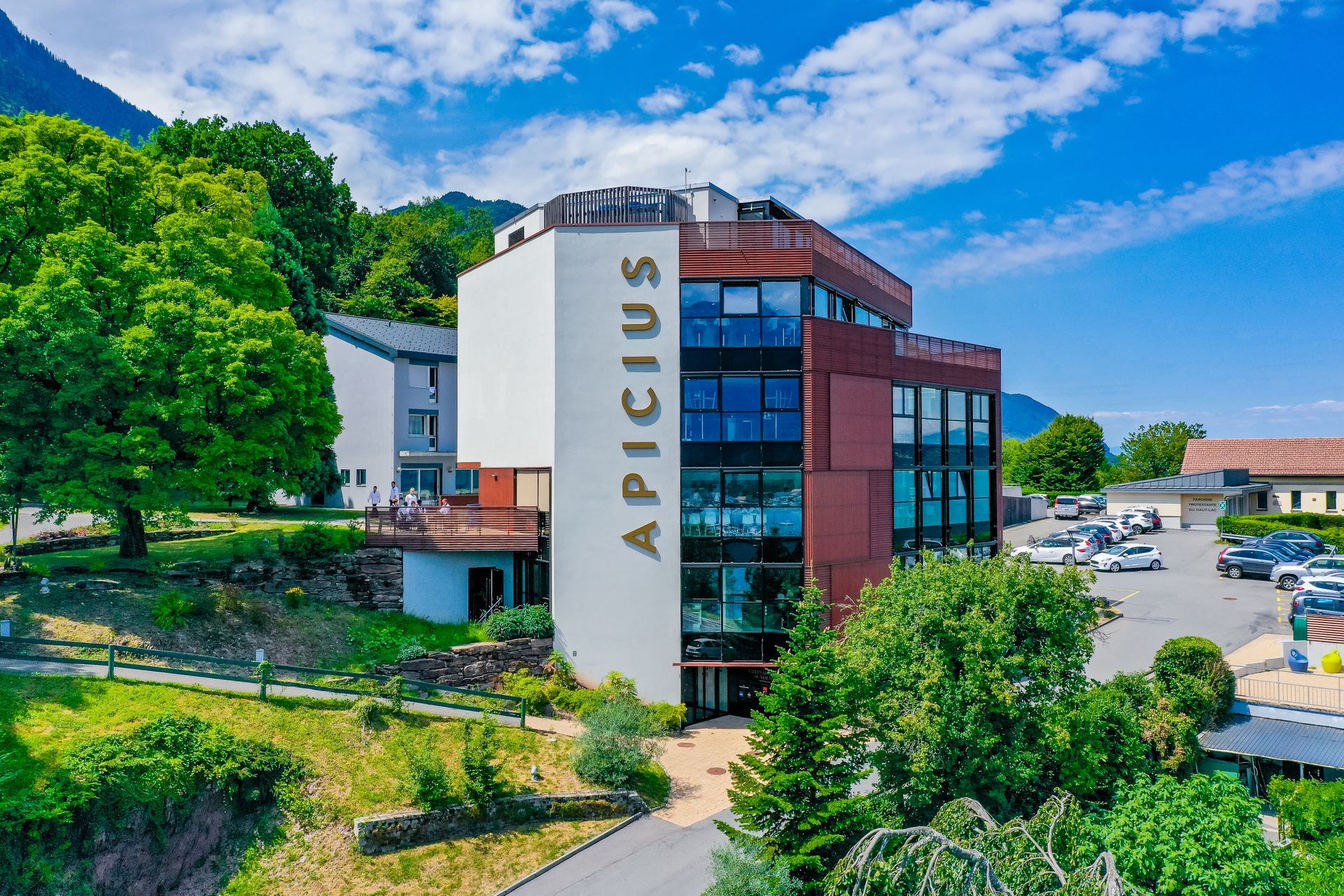
I see Culinary Arts Academy Switzerland as a demanding training ground for students aiming at top kitchens, Michelin-starred restaurants or their own food business. The three-year bachelor’s includes 1,100 hours of kitchen training and two internships, alongside costing, marketing and operations. Students can earn CAA and University of Derby bachelor’s degrees.
Those 1,100 hours are, in my view, an apprenticeship in mastery: developing reliable technique and consistent results. Students drawn to making products and refining a craft have a more specific reason to choose CAA than a general interest in hospitality. Graduates can also consider its MA in Culinary Business Management.
Undergraduate budgets for 2027
| School | Budget in CHF |
|---|---|
| SHMS | 186,500 |
| César Ritz business bachelor’s | 169,300 |
| HIM | 131,800 |
| CAA | 176,200 |
These figures include scheduled on-campus accommodation, meals and associated services, before scholarships. Deposits and living expenses outside covered periods are additional. Fees may vary slightly; the amount confirmed by the school for your application takes precedence.
Fees and scholarships · IMI compared with the four schools
What LEP brings to the decision
I run businesses in Europe and visit schools in person. I assess education alongside the abilities employers need, the family’s budget and the student’s longer-term study, work and residence plans. Our direct school partnerships help us pursue applications and scholarships; our established local business relationships help connect education with professional opportunities.
We open our European networks to partner families and support graduate job recommendations. The process starts with selecting suitable students and matching them to countries and schools, so that reliable recommendations strengthen trust between families, schools and employers. Tell us the student’s background, interests and budget, and we will help make a concrete choice.