
| By James Liu | Lux Education Partners | 26 September 2026 |
For students determined to develop exceptional culinary skills, work towards top kitchens or Michelin-starred restaurants, or build a food brand, I would give Culinary Arts Academy Switzerland (CAA, also CAAS) serious consideration. I see it as a demanding training ground for that ambition.
Its three-year bachelor’s combines 1,100 hours of kitchen practice with two six-month paid internships. Culinary arts and pastry, baking and chocolate have distinct pathways. Students develop a craft and learn how a business operates.
I regard this as an apprenticeship in mastery: turning enthusiasm into technique, inspiration into consistent results, and individual ability into the capacity to lead a team.
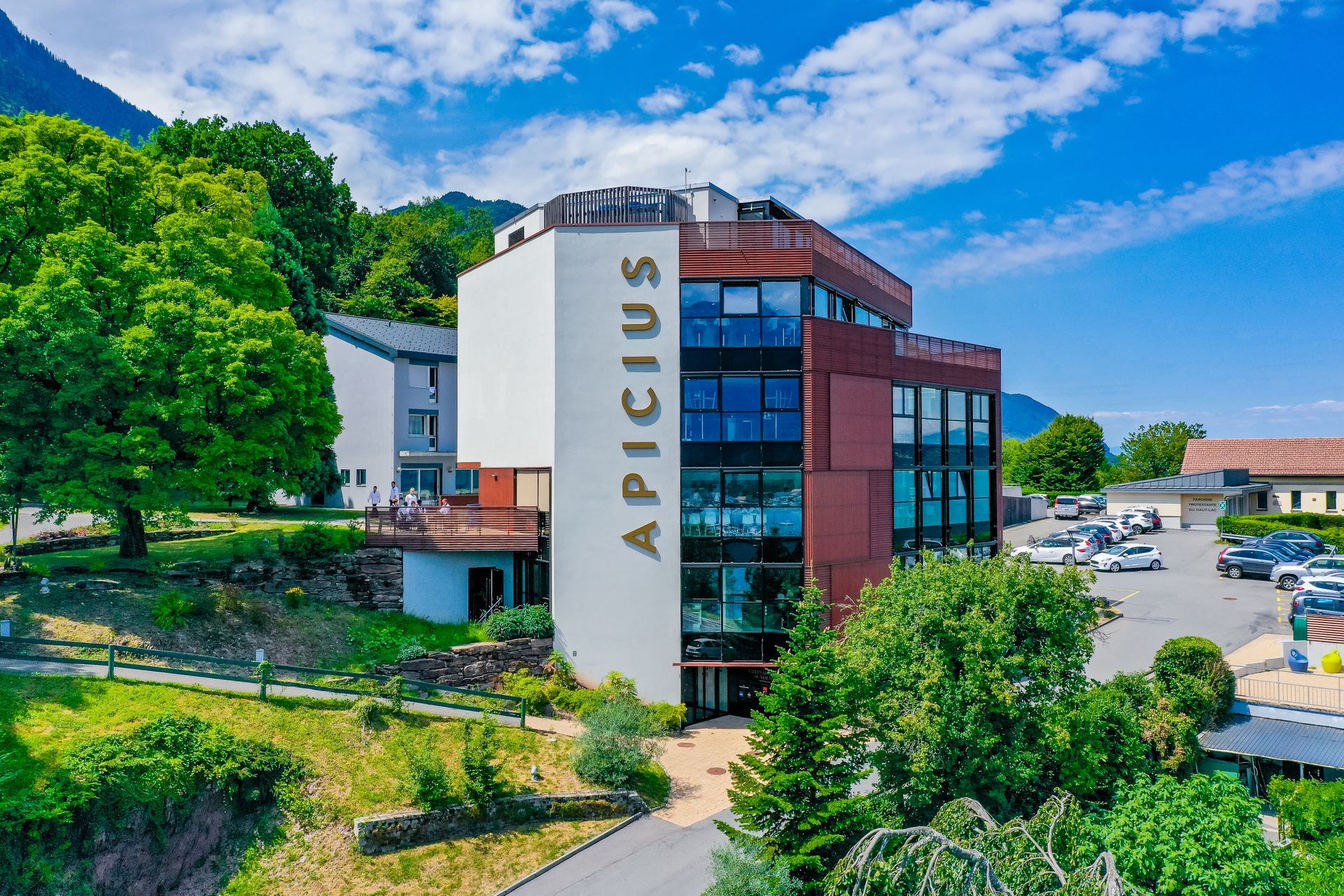
Culinary arts or pastry, baking and chocolate?
| Pathway | Practical focus | Business learning |
|---|---|---|
| Culinary arts | European cuisines, cold kitchen, menus, modern cooking, nutrition and food safety | Food costs, operations, teamwork and restaurant concepts |
| Pastry, baking and chocolate | Classical and modern pastry, bread, chocolate, sugar work and presentation | Costing, product development, brands and entrepreneurship |
The first two years are mainly at Le Bouveret, followed by the third year in Brig. Later study adds research, marketing, finance, food events and business planning.
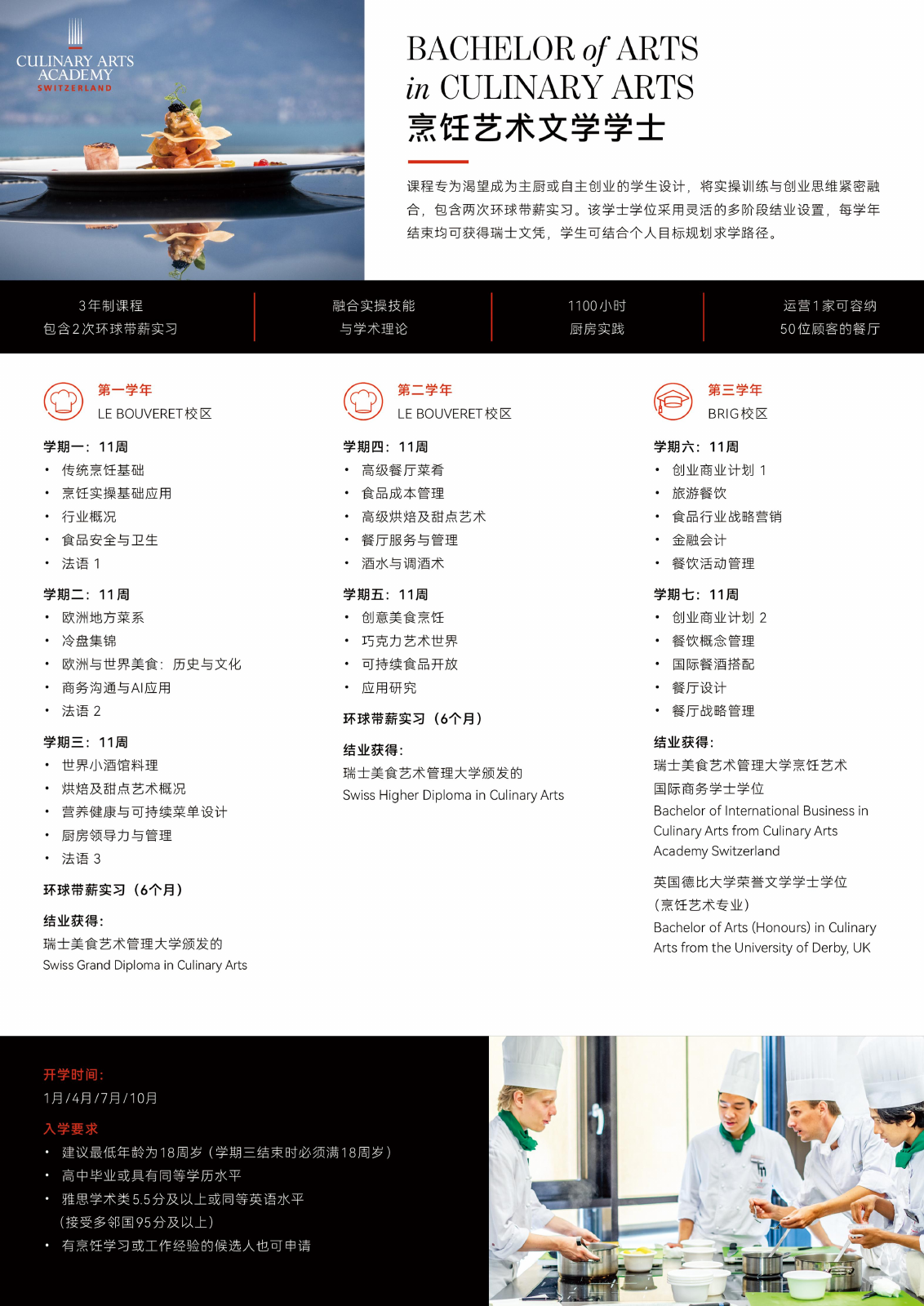
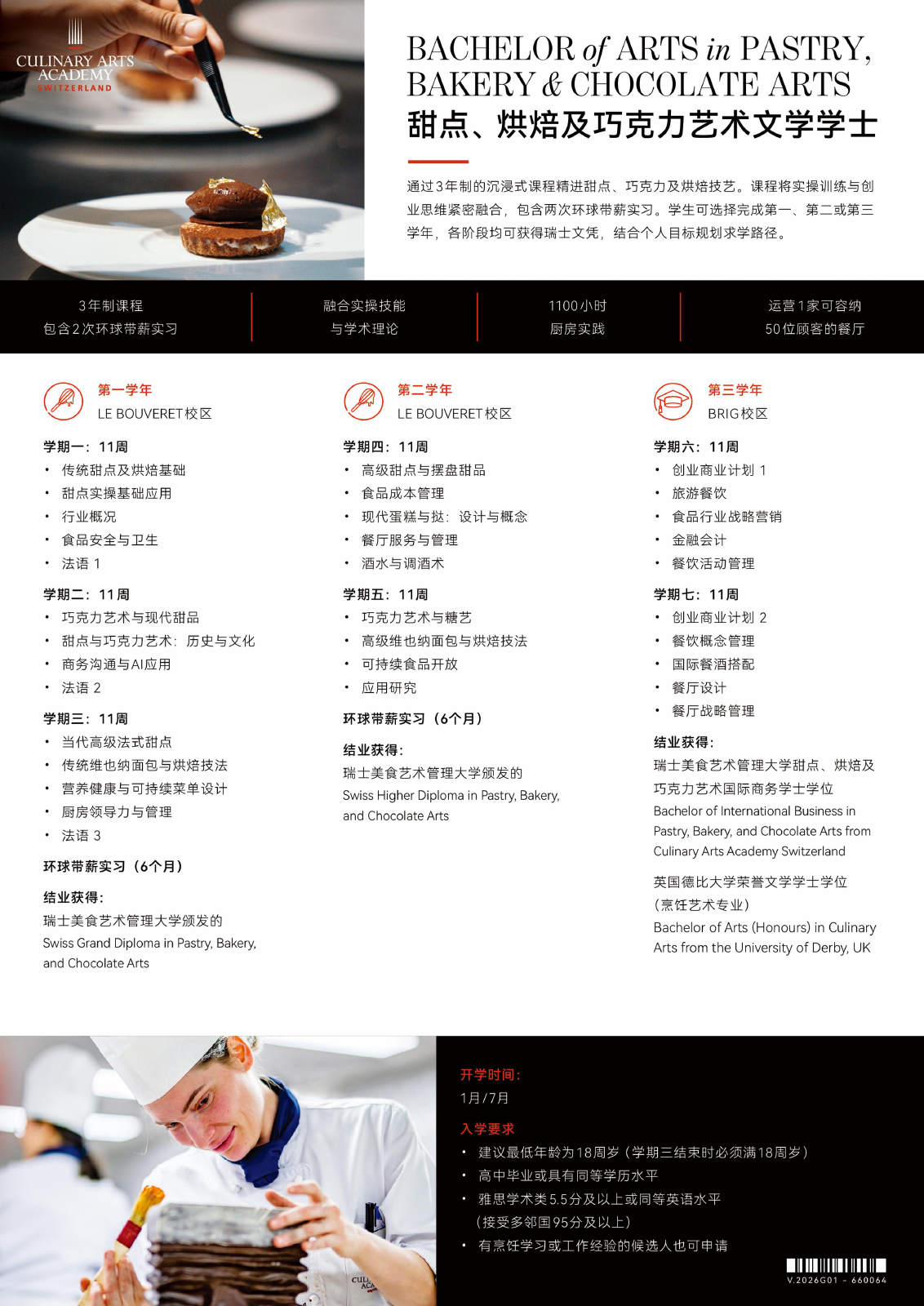
What 1,100 hours can build
Temperature, timing, waste, preparation and coordination during busy service require repeated practice. Students also participate in operating a 50-seat restaurant, bringing food, service and cost control together.
When I assess culinary education, I look at both technique and business training. For a future restaurant owner, rent, staffing, purchasing, margins and repeat customers matter alongside the food. That is the perspective I bring as an entrepreneur based in Europe.
Bachelor’s, professional diploma or master’s?
| Route | Main purpose | Award and training |
|---|---|---|
| Three-year bachelor’s | Culinary or pastry training with business education after secondary school | CAA bachelor’s and University of Derby BA (Hons) Culinary Arts; two internships |
| Swiss Diploma / Grand Diploma | Concentrated professional skills | Modular professional diploma; study and internship arrangements depend on the route |
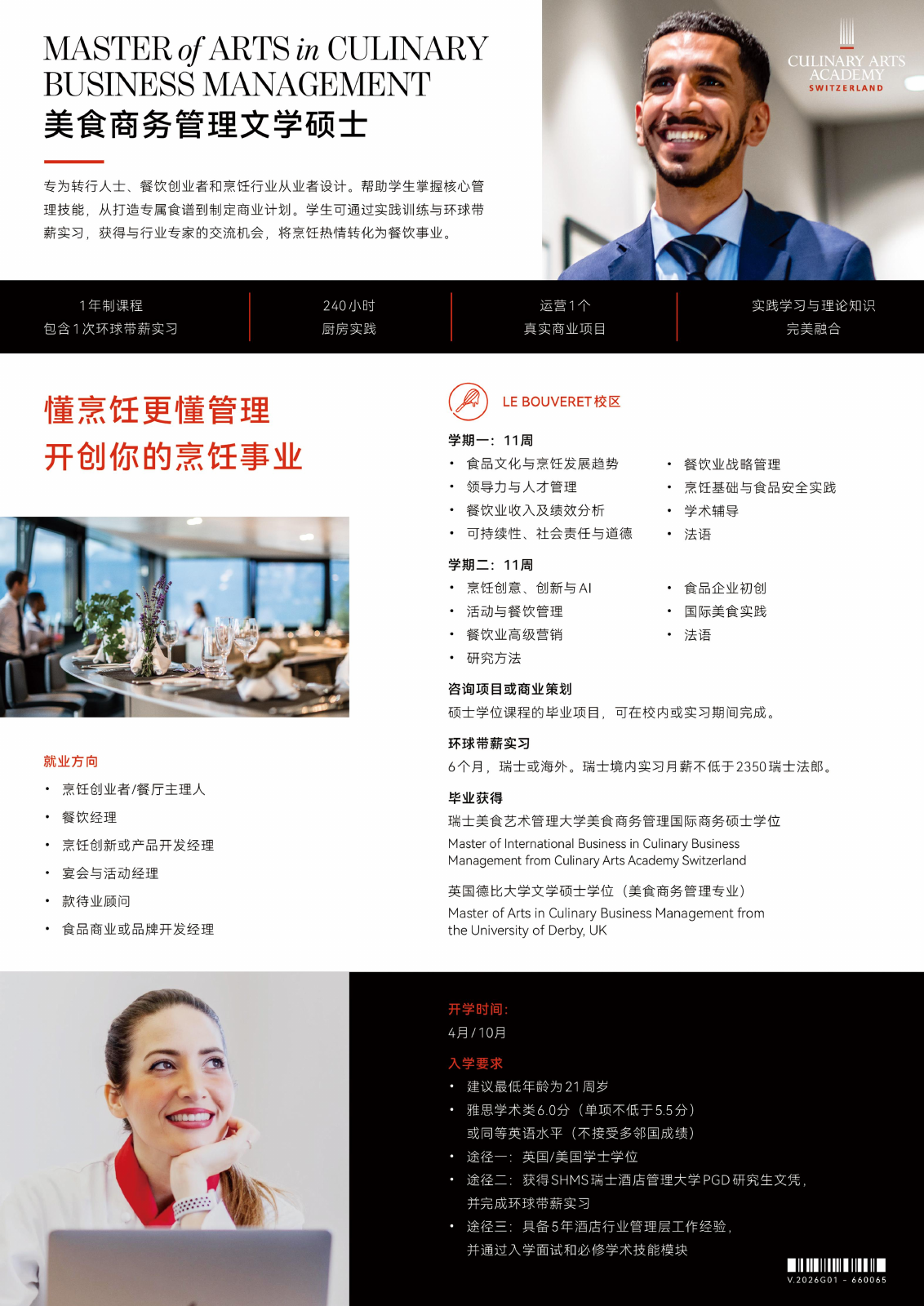
| MA in Culinary Business Management | Develop food-business management after a degree or relevant management experience | Two 11-week teaching terms and a six-month internship; 240 kitchen hours |
The professional diploma is distinct from a bachelor’s degree. CAA’s own award titles differ between the two undergraduate pathways; the Derby award is listed as BA (Hons) Culinary Arts for both. LEP confirms the award and entry route for the intake concerned.
The MA addresses food culture, people management, business performance, sustainability, marketing, research and entrepreneurship. Its focus is business management rather than a shortcut from beginner to experienced chef.
Budget for 2027
Both bachelor’s pathways are budgeted at CHF 176,200. The MA is CHF 49,000; the three-term professional diploma route is CHF 60,000. Relevant uniforms and culinary or baking equipment are included in the fee arrangements. Living expenses during uncovered holidays and internships are additional.
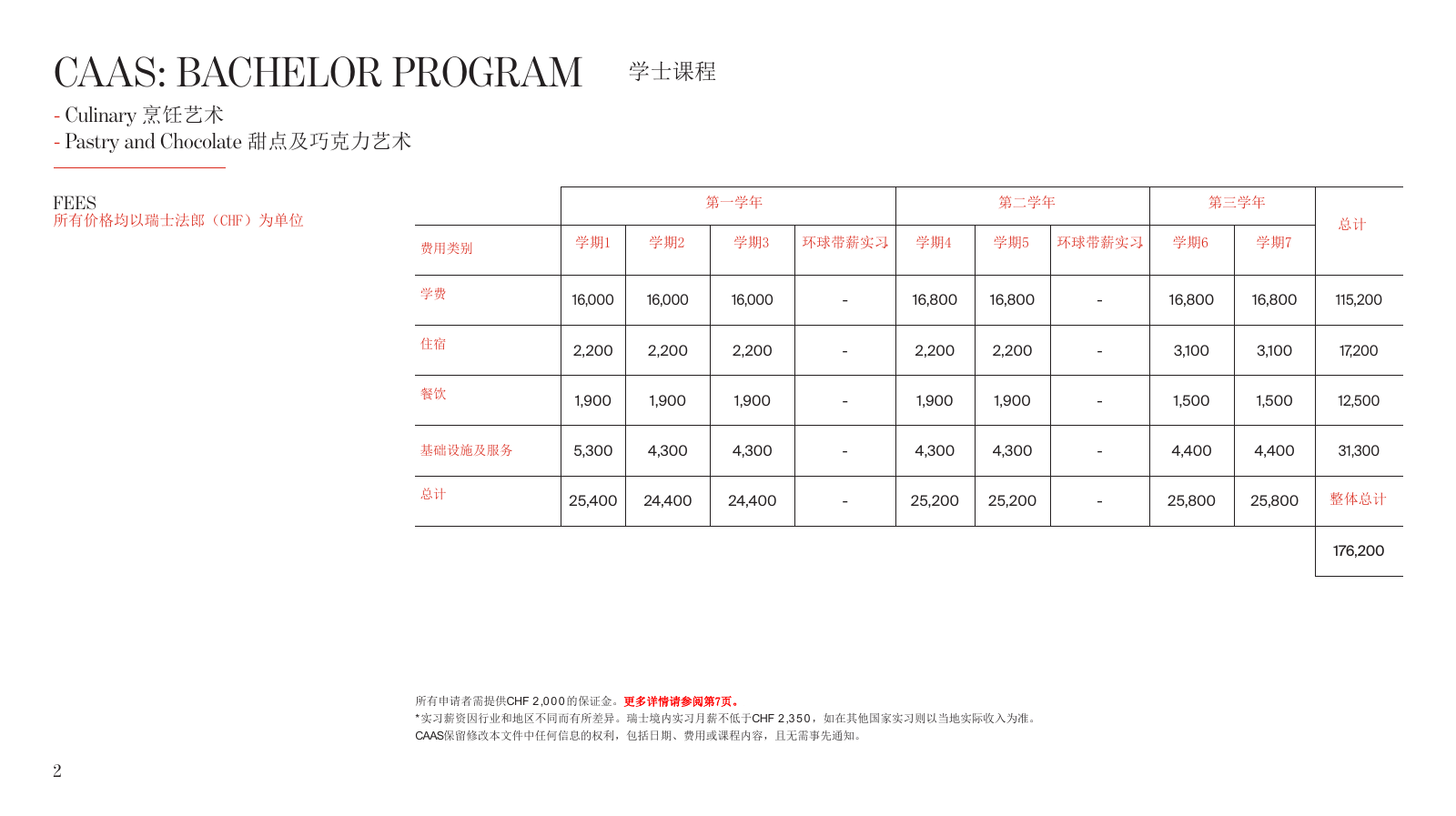
Paid internships offer experience and income; the contribution to the family budget depends on living costs during the placement. Fees may vary slightly; the amount confirmed by the school for your application takes precedence.
Who would I recommend considering CAA?
Students with sustained culinary or pastry interests, patience for hands-on training and a desire to combine creativity with business. It can also suit a student who wants to contribute to a family food, restaurant or hotel business. I believe tangible products, experiences and human trust will remain valuable; I also want the student’s commitment and the family’s investment to match the project.
LEP: school choice, scholarships and business connections
LEP works directly with CAA, IMI, SHMS, César Ritz and HIM. We can compare CAA with IMI’s culinary route against the student’s training goals and budget, handle the application and discuss scholarships with the school.
We are established in Europe and maintain relationships with local schools and businesses. Partner families can draw on this network, including graduate employment recommendations. Schools need committed students; employers need capable people. Careful student selection and a suitable country and school match start a cycle in which successful recommendations deepen trust and create further opportunities.