
I would not recommend Luxembourg to every family
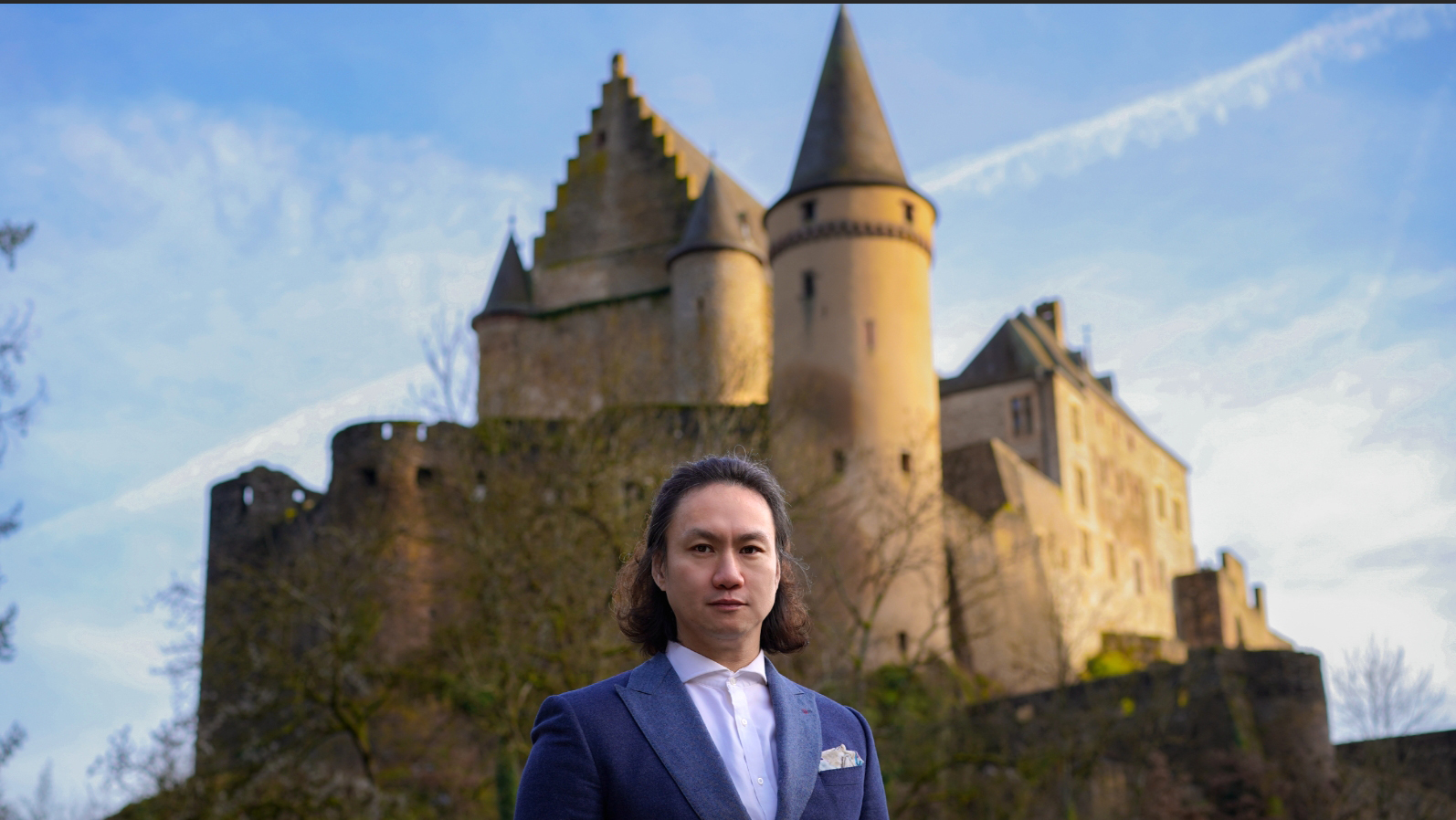
I live and work in Luxembourg and have visited its schools repeatedly. That experience is precisely why I do not present an overseas secondary education as something every child needs.
A child doing well at home, with a clear direction, may not need to move. The useful questions are specific: what is not working in the current environment, what could change in Luxembourg, and is that change worth sustained family commitment?
A country’s reputation for wealth or safety is not enough by itself. Secondary education means several years of learning and daily life. The child must be part of the decision.

English-medium routes with options beyond Luxembourg
ISL offers the IB Diploma; St George’s has a British A Level pathway; OTR offers both IB and A Levels. Families can therefore explore suitable English-medium education without first bringing French and German to the level needed for subject teaching.
Depending on courses, subject choices and results, students can later apply to universities in several countries. For a young person interested in a future in Europe, secondary school here also provides early experience of European classrooms, everyday life and classmates from different backgrounds.
That can make later decisions about the Netherlands, Switzerland or another destination more informed. It does not mean a child will automatically master several languages. Learning and participation are still necessary.
The three schools suit different expectations
For families who want close academic oversight, I take St George’s seriously. My experience has been of professionalism and concrete responses. In discussions about Chinese pupils, the school described additional language support and a learning buddy, alongside trial arrangements through LEP.
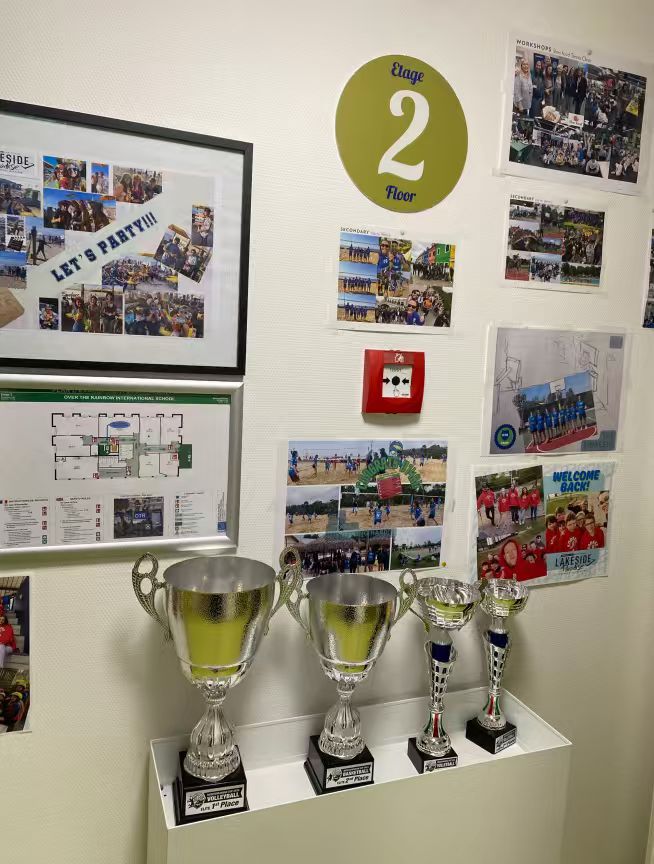
OTR is worth considering when a smaller, more personal environment matters. Staff felt approachable and the school welcoming. Its relatively limited space is also something families should know in advance.
ISL merits attention for a self-directed child whose family values facilities, activities and room to explore. Its resources have impressed me. Families expecting tight supervision of academic results may find its approach different from their expectations. It is also particularly cautious about applications where parents will remain abroad.
I do not find a simple first–second–third ranking useful. A child’s way of learning, the family’s expectations and the school’s actual practice need to work together.
Families for whom it is worth a serious discussion
The child is willing to try and communicate. English and independence can develop, but the pupil should be willing to meet people, accept help and speak about difficulties. A plan made entirely by adults, against the child’s wishes, is a poor starting point.
The family values more than one examination result. It wants academic progress alongside expression, cooperation and self-management, and allows time to settle. This can include both high achievers and pupils whose current setting has not brought out their strengths.
Parents have thought it through and can provide continuing support. Living abroad does not remove the need for parental involvement in progress, subject choices and communication with school. Parents may remain in another country; they cannot simply disappear from the educational relationship.
When I would suggest waiting
If the first year already stretches the family to its limit, pause. Paying the first bill is different from sustaining several years. Financial strain on the whole family is not a sound foundation for the move.
If a child strongly resists and the aim is simply to find somewhere that will “control them”, do not rush. Understand the pupil’s needs and establish whether the school and host family can provide appropriate support.
If the expectation is that payment guarantees admission or Europe automatically solves problems, reset it. Schools assess applicants; language and academic progress still require effort. Changing countries does not remove the need for family communication.
A strong student at home also need not move simply from fear of missing out. The decision should follow the student’s goals, not an assumption that going abroad is compulsory.
When parents remain abroad, a host family is essential to the plan
ISL, St George’s and OTR are day schools. A child coming alone needs local host-family arrangements, with responsibilities for daily life and school communication established.
Contacting a school completes only part of that work. Accommodation must connect with the applicable visa and residence procedures. This is a central part of LEP’s local service.
For initial budgeting, use approximately €25,000 a year for a host family, plus the selected school’s tuition. LEP service fees and any additional first-year school charges are itemised separately. Comparing tuition alone gives an incomplete picture.
Where parents already live and work in Luxembourg, school options and the family budget need a separate discussion.
Speak to LEP before deciding on an application
We connect school selection, direct liaison, host-family matching, visa application support and the practical start at school. Families have someone based locally who can follow through.
We organise school visits each quarter and can provide professional local accompaniment. For students working with LEP, we can also coordinate a free three-day trial at St George’s.
Tell us the child’s year, English level, reasons for considering a move and whether parents will relocate. These details help us judge whether Luxembourg is a suitable option and which school deserves a closer look.
Discuss your child’s plans with LEP
Tell us the current year and curriculum, English level, intended start and whether parents will move too. Based in Luxembourg, LEP coordinates school applications, host-family arrangements and the transition into school.