
Use the same school-fee basis
| 2026/27 academic year | Eerde — EUR | Saint-Charles — CHF |
|---|---|---|
| Programme used in this example | IB Diploma Programme | IB Diploma Programme |
| Tuition and standard full boarding | €61,600: €27,100 + €34,500 | CHF 92,500, including basic board |
| One-off new-student charges | €3,650 registration, including a MacBook in the fee booklet | CHF 300 application + CHF 3,000 enrolment |
| Refundable deposit | €2,750 | CHF 5,000 |
| Other listed items | Examinations, individual support and applicable extras | CHF 2,500 insurance through age 18; CHF 7,000 personal account advance |
| If language support applies | Confirm the specific support charge | EAL/FLE listed at CHF 12,000 |
“Seven-day boarding” describes the weekly arrangement; the quoted price is for an academic year. It does not mean a one-week charge or necessarily year-round accommodation. The currencies differ, so compare scope before applying a current exchange rate.
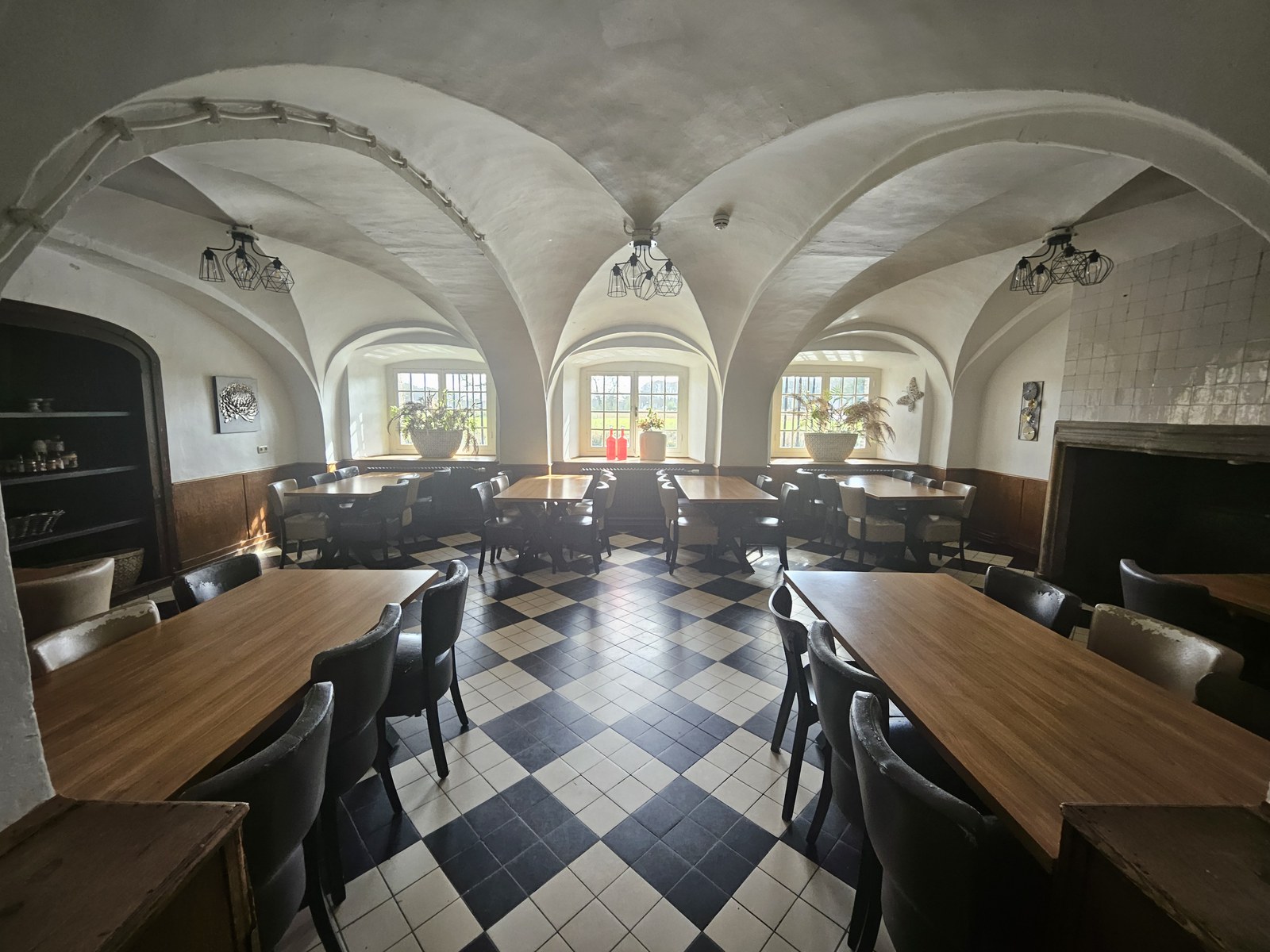
Cash required is not the same as final expenditure
Eerde example: €61,600 + €3,650 + €2,750 = €68,000. The deposit is refundable under its terms. Riding, relevant examinations or extra support, travel and personal spending are not included in this calculation.
Saint-Charles example: CHF 92,500 + CHF 300 + CHF 3,000 + CHF 2,500 = CHF 98,300. Including the CHF 5,000 deposit and CHF 7,000 account advance brings planned funds to CHF 110,300. Add CHF 12,000 if the listed language provision applies.
An account advance funds actual expenses; it is not another fixed tuition fee. If riding is charged to that account, do not count both the advance and the same riding expense twice in final expenditure. Additional funds may be needed if spending exceeds the advance.
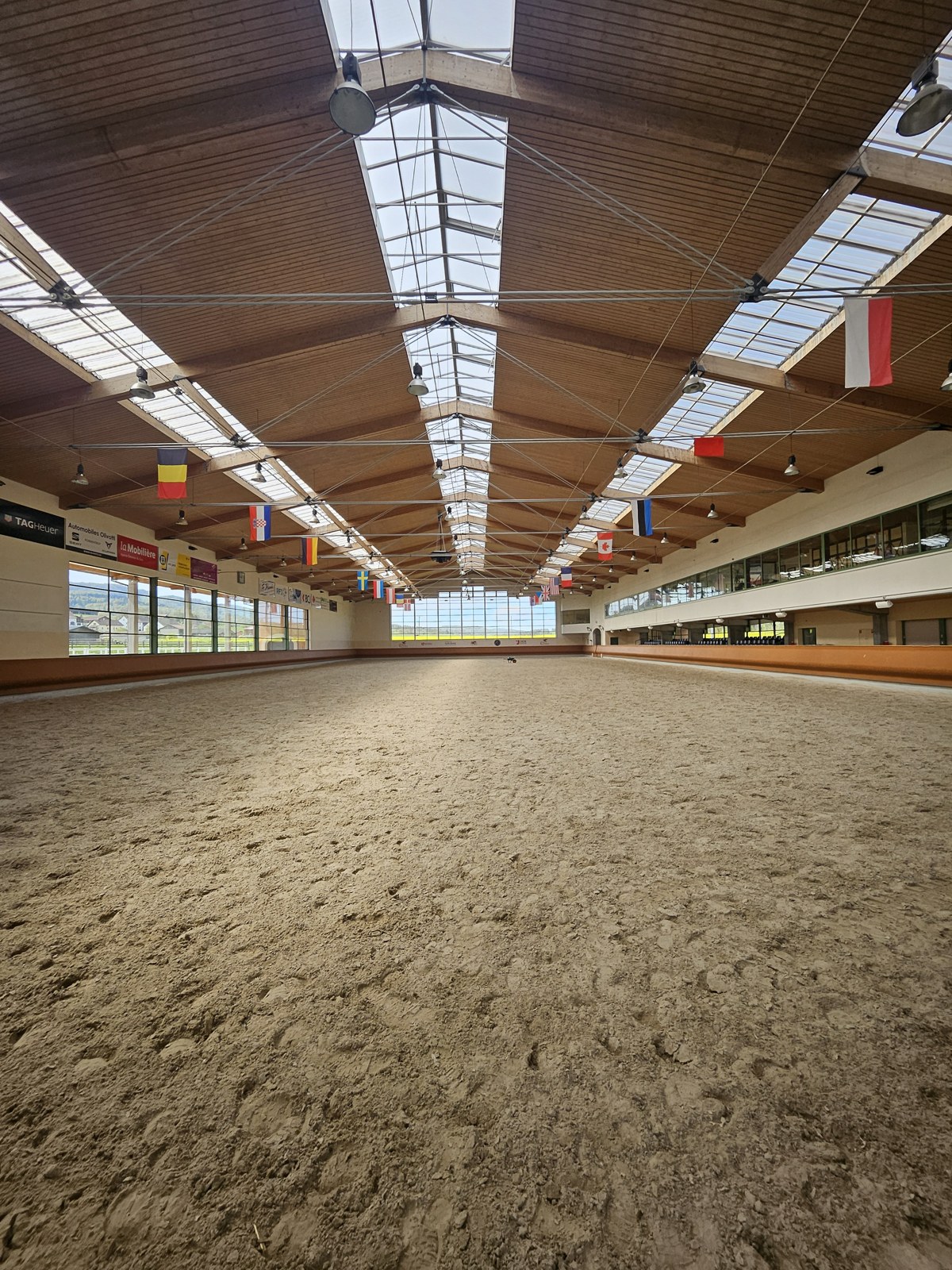
What belongs in the equestrian budget?
| Category | What changes the cost |
|---|---|
| Coaching | Frequency, weeks covered, individual or group format, coach and cancellation terms. |
| Horse access | Provider’s horse, lease or ownership; any separate competition-use charge. |
| Horse care | Stabling, feed, care, farrier, veterinary costs and applicable insurance. |
| Travel and events | Student transport, horse transport, entries, coaching or accompaniment and accommodation. |
| Holidays and initial expenditure | Equipment, applicable registration, initial transport, and arrangements while school is closed. |
These are items to check, not a LEP price list or a statement that every child incurs every cost. Occasional lessons and leasing a horse for competition require different budgets.
Ask for comparable annual arrangements
Use the same assumptions for each enquiry: course, grade, weekly training, horse arrangements and likely events. Separate academic-year education, any twelve-month horse costs and one-off spending. Thirty teaching weeks of lessons cannot be compared directly with a full year of horse care.
Then consider affordability over the likely years of study. A first-year payment that can just be met is not necessarily a sustainable plan.
Let LEP bring the educational and riding costs together
We start with educational fit and coordinate the family’s riding requirements with the school. We help identify included items, separate quotations, deposits and advances. Current application-support terms do not make coaching, horse costs or other third-party services free.
Share the annual budget you can sustain, horse arrangements and training goals. The school selection guide will help establish which direction is worth costing in detail.
Discuss your child’s school and riding plans with LEP
Tell us the age, grade, languages, riding experience, horse arrangements and annual budget. LEP begins with school and course fit, then coordinates the specific questions with the school.
Sources and verification
Eerde Fee Booklet 2026–2027 supplied by the school; Saint-Charles 7 days boarding fees 2026–2027. LEP calculations exclude equestrian items without a specific quotation. Checked 6 October 2026.