
What do the current school materials confirm?
Eerde International Boarding School Netherlands is based in Ommen. Its equestrian brochure and current website describe coordination between academic work, training and competition, with an option to bring a horse. Pre-IB and the IB Diploma Programme are among its educational pathways.
That makes a combined school-and-training discussion possible from the outset. It does not establish a fixed number of lessons, an automatic event entry or the same timetable flexibility for every child.
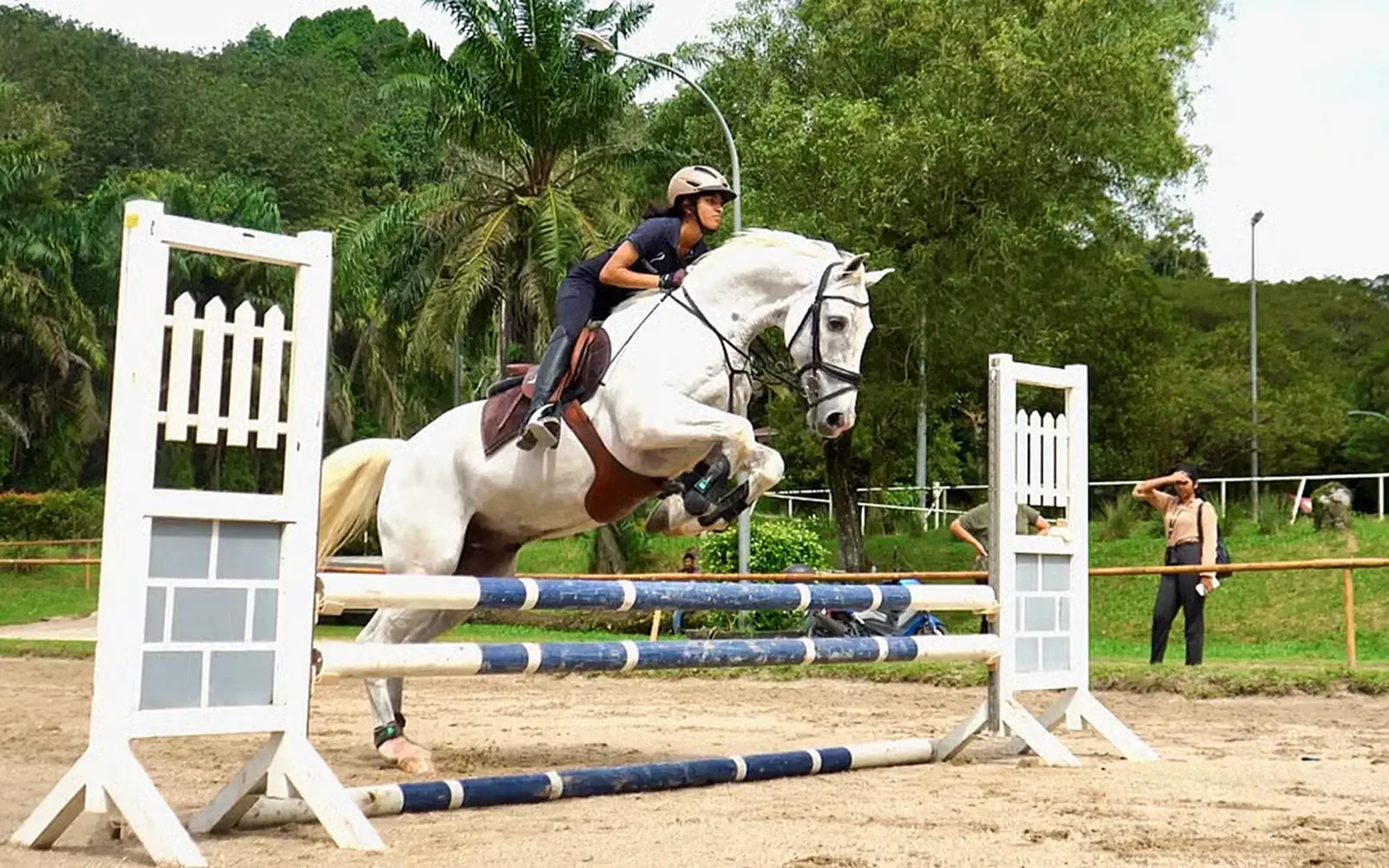
Which stables are currently named?
| Stable | Direction described in the school brochure | Questions to resolve for the child |
|---|---|---|
| Galaxy International Stables | Dressage, show jumping and eventing, with indoor and outdoor training facilities. | Assigned coach, available horses, lesson schedule and transport. |
| H&H Stables | A focus on show jumping and horse care. | Suitability for current experience; arrangements and costs for a local or privately owned horse. |
Earlier material mentioned De Hazelhorst. This guide follows the school brochure and website checked in October 2026. A published partnership still needs to be translated into an individual arrangement, and competition access depends on the relevant conditions.
Why the boarding environment matters to riders
During my visit I saw the accommodation and teaching environment. Historic buildings sit alongside modern teaching facilities. The school explained shared meals with staff and the expectation that students clear up after themselves. Those routines make boarding more tangible for parents who will remain overseas.
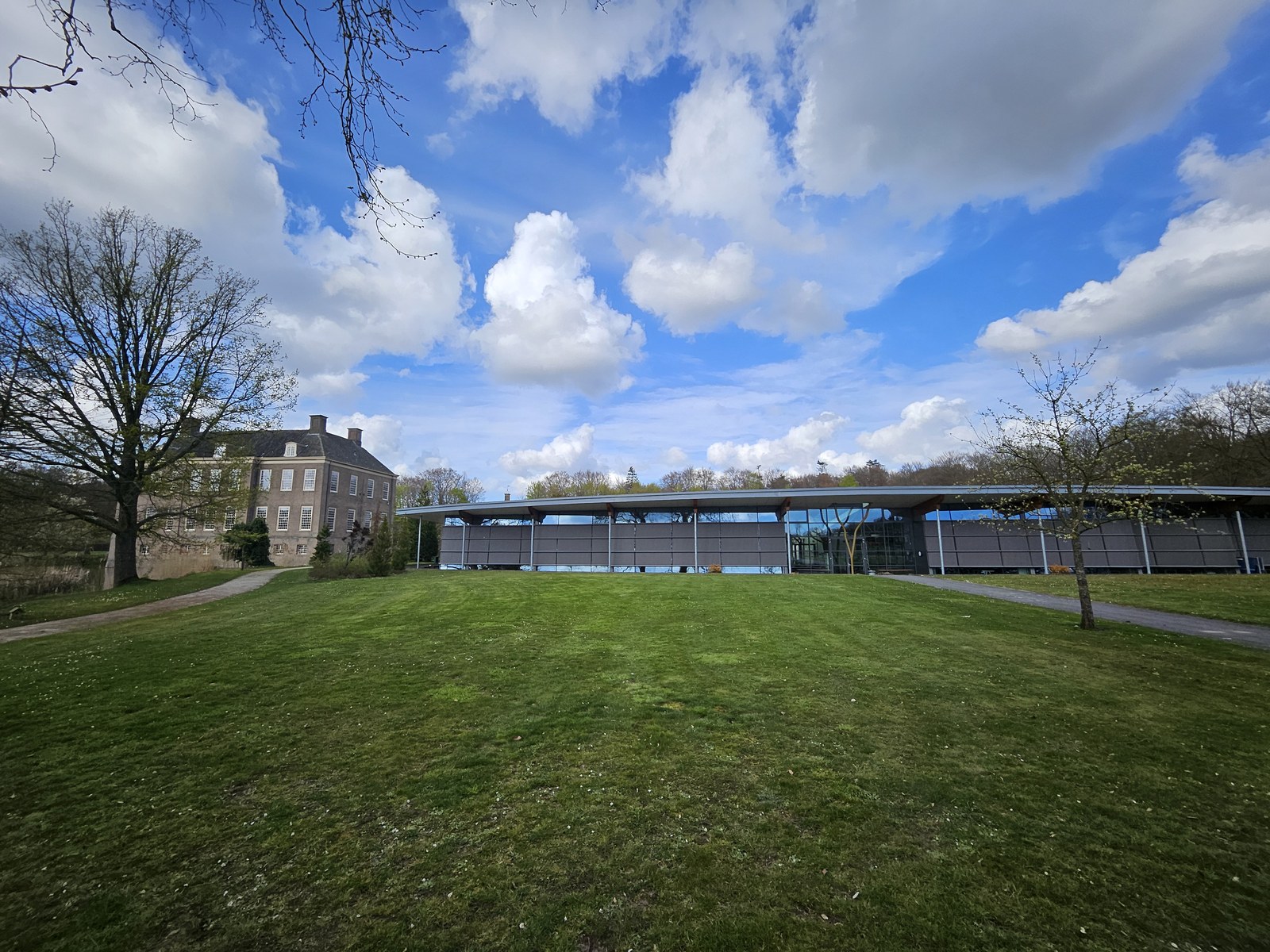
Training has to fit into that wider life: meals, study, friendships and rest. When discussing a visit, look beyond the arena and follow the child’s day through to bedtime. Check the individual age, course and residence conditions before treating a general boarding age as an admission entitlement.
What should an experienced rider share?
School reports and language information help assess academic placement. Recent full riding videos, competition results, weekly training and details of the horses ridden help the training provider understand sporting experience. A short highlight reel or the number of years spent riding is not a complete assessment.
If the child has limited experience with unfamiliar horses or competitions, say so. Bringing a horse is an option, not a requirement stated for every applicant. Availability and cost of a suitable local horse must be confirmed.
Separate school fees from equestrian expenditure
The school-provided 2026/27 fee booklet lists IB Diploma tuition plus standard full boarding at €61,600 per academic year. Do not treat this as an all-inclusive competitive riding price. Training, horses, care, transport and events need their own scope and quotation. See the cost guide for first-year payments and other items.
Use LEP to connect the decisions
LEP works directly with Eerde and has first-hand experience of the school. We help assess course and boarding fit, present the child’s riding requirements to the school, and coordinate admissions information and visit priorities. Academic admission and sporting assessment remain with the responsible providers.
Tell us the intended starting date and your child’s academic and riding background. Our Eerde application support page explains the current service arrangements.
Discuss your child’s school and riding plans with LEP
Tell us the age, grade, languages, riding experience, horse arrangements and annual budget. LEP begins with school and course fit, then coordinates the specific questions with the school.
Sources and verification
Eerde equestrian brochure, Fee Booklet 2026–2027 and current Equestrian page; James Liu’s school visit records and photographs. Checked 6 October 2026.